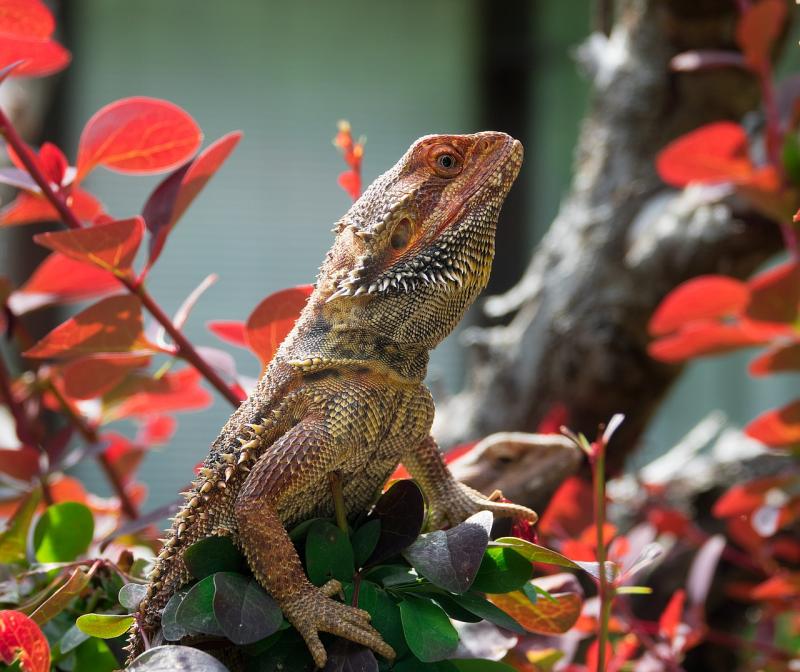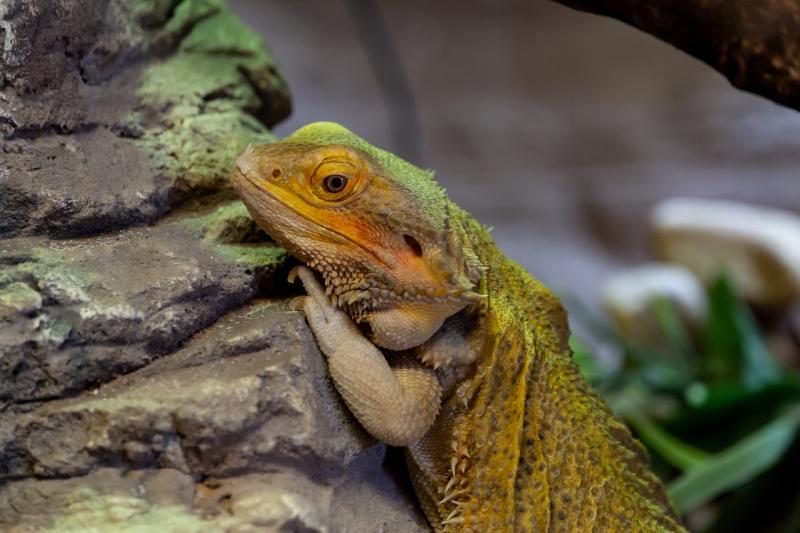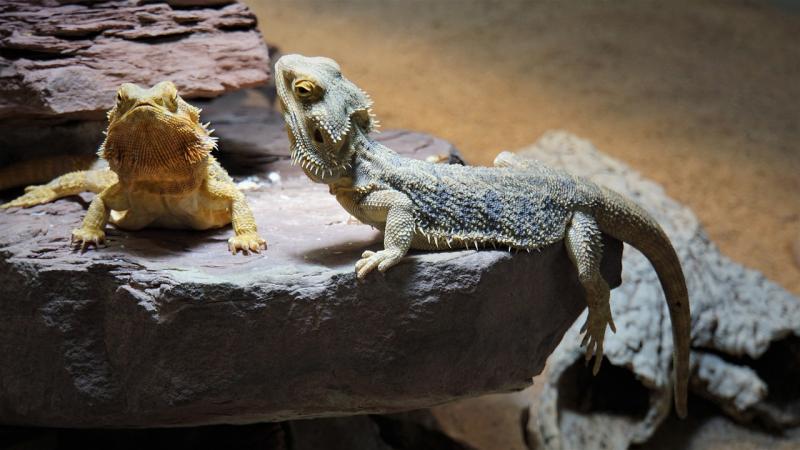
Bearded dragons are amazing pets, but just like any creature, they can face some health issues. It's super important to know about these problems so you can catch them early and keep your scaly friend happy and healthy.
One common health issue is metabolic bone disease (MBD). This happens when your bearded dragon doesn't get enough calcium or UVB light. You might notice signs like lethargy, swollen limbs, or difficulty moving. To prevent MBD, make sure you’re giving a balanced diet and providing proper lighting in their habitat.
Another issue is impaction, which is when a bearded dragon can’t pass waste. This can happen if they eat something they shouldn’t, like substrate or large food items. Keep an eye out for signs like lack of appetite or bloating. If you think your dragon is impacted, a vet visit is a must to get things moving again.
Respiratory infections are also a concern, especially if your dragon is kept in a humid environment. Look for signs like wheezing, nasal discharge, or not eating. Maintaining a clean habitat and monitoring humidity levels can help prevent these infections. Always seek a vet's help if you spot any of these red flags.
Recognizing Symptoms in Your Pet
Keeping an eye on your bearded dragon's behavior can help you catch any health issues early. You know your pet best, so if you notice them acting differently, it could be a sign of something going on. Here are some symptoms to watch for:
Pay attention to changes in skin color too. A bearded dragon that's turning dark may be stressed or uncomfortable. You should also observe their eyes; if they look sunken or have a cloudy appearance, it’s time to consult a vet.
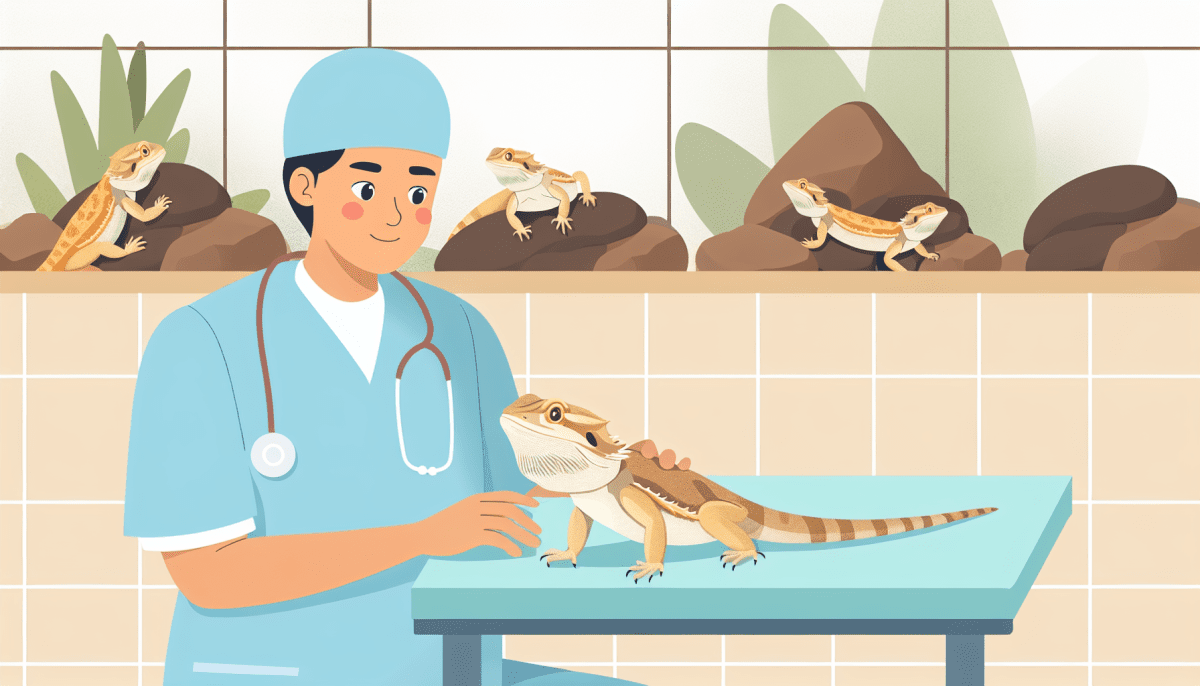
When you spot any of these symptoms, don't wait too long to take action. It's always better to be safe than sorry. A vet who specializes in reptiles can help determine what's wrong and how to treat it. You're doing a great job caring for your bearded dragon, so just keep being attentive!
Best Treatments for Bearded Dragon Ailments
When it comes to keeping your bearded dragon healthy, knowing the best treatments for common ailments is super important. Don’t worry, I’ve got your back! Here’s a roundup of the most effective treatments for those pesky problems that might pop up.
If your bearded dragon is dealing with impaction, it’s crucial to act fast. This happens when they can’t pass waste due to a blockage, often from eating inappropriate substrates or too many hard foods. A warm bath can help get things moving, but make sure to check with your vet about adding some olive oil or a gentle laxative to their diet.
Respiratory infections can be a nightmare. Look for signs like wheezing or mucus coming from the nose. You’ll want to boost their humidity and heat while also ensuring they have a comfy space to rest. A vet might prescribe antibiotics to clear things up, so don’t hesitate to get professional help.
For those nasty cases of parasites, a vet visit is your best bet. They’ll usually do a fecal test and then prescribe the right medication to tackle whatever little buggers are bothering your pet. Taking care of their habitat hygiene—cleaning their enclosure regularly and providing fresh food—will help prevent re-infestation, too.
Finally, if you notice any signs of metabolic bone disease, like swelling or weakness, it’s time to check in with a vet immediately. Proper UVB lighting and a diet rich in calcium are key in preventing this issue. You might need to give your dragon some calcium supplements to help get their health back on track.
How to Keep Your Dragon Healthy
Keeping your bearded dragon healthy is super important for their happiness and longevity. Here are some key tips to make sure your little buddy thrives!
First off, diet plays a huge role in your dragon's health. A mix of live insects like crickets and mealworms along with fresh veggies is ideal. Chop up leafy greens, like collard greens or mustard greens, and serve them fresh. Don’t forget to dust their food with calcium and vitamin D3 powder a few times a week to keep their bones strong.
Hydration is essential too! Bearded dragons can get dehydrated, so make sure your dragon has clean water available at all times. Some reptiles love to soak in their water, so you might want to give them a shallow bath a couple of times a week. Just make sure the water isn’t too deep and keep an eye on them!
Temperature matters just as much as food and water. Your dragon needs a basking spot around 100°F (38°C) to help with digestion and overall health. The cooler side of the tank should be about 75-85°F (24-29°C). A reliable thermometer will help you keep tabs on their environment. Lighting is key too; a good UVB light will help them absorb calcium and stay energized.
Finally, regular check-ups and monitoring behavior can catch issues early. If your dragon seems lethargic, stops eating, or shows any signs of illness, it's time to consult with a vet who knows reptiles. With the right care, your bearded dragon will lead a happy and healthy life!