Picking the right size for your bearded dragon’s terrarium is super important. These little guys need space to roam around, bask, and hide when they want. A good rule of thumb is to aim for a tank that's at least 40 gallons for one adult dragon. If you can, bigger is often better!
Consider the length of the terrarium, too. Bearded dragons love to stretch out. A 4-foot-long tank gives them plenty of room to explore. You want to make sure they have a nice mix of hot spots for basking and cooler areas for chilling out.
For baby or juvenile bearded dragons, a smaller tank works well. A 20-gallon tank is usually just right for hatchlings. As they grow, you can upgrade to a larger size. This way, they're comfortable and safe while growing up.
Don't forget about height! Some bearded dragon owners like taller tanks to add climbing options. Just keep in mind that dragons don't climb like other reptiles. A terrarium that’s too tall can make it challenging for them to feel secure. Keep features like basking spots and hides at appropriate levels.
Essential Heating and Lighting Features
Bearded dragons love basking in warm sunlight, so creating a cozy environment in their terrarium is key. The right heating and lighting will keep your scaly friend healthy and happy. Here are some essential features you can’t ignore:
First up, basking lights are a must. These high-intensity bulbs create a hot spot where your beardie can soak up the warmth. Aim for a basking temperature around 100-110°F (38-43°C). A good choice is a mercury vapor bulb, which provides both heat and UVB lighting, giving your pet what they need to thrive.
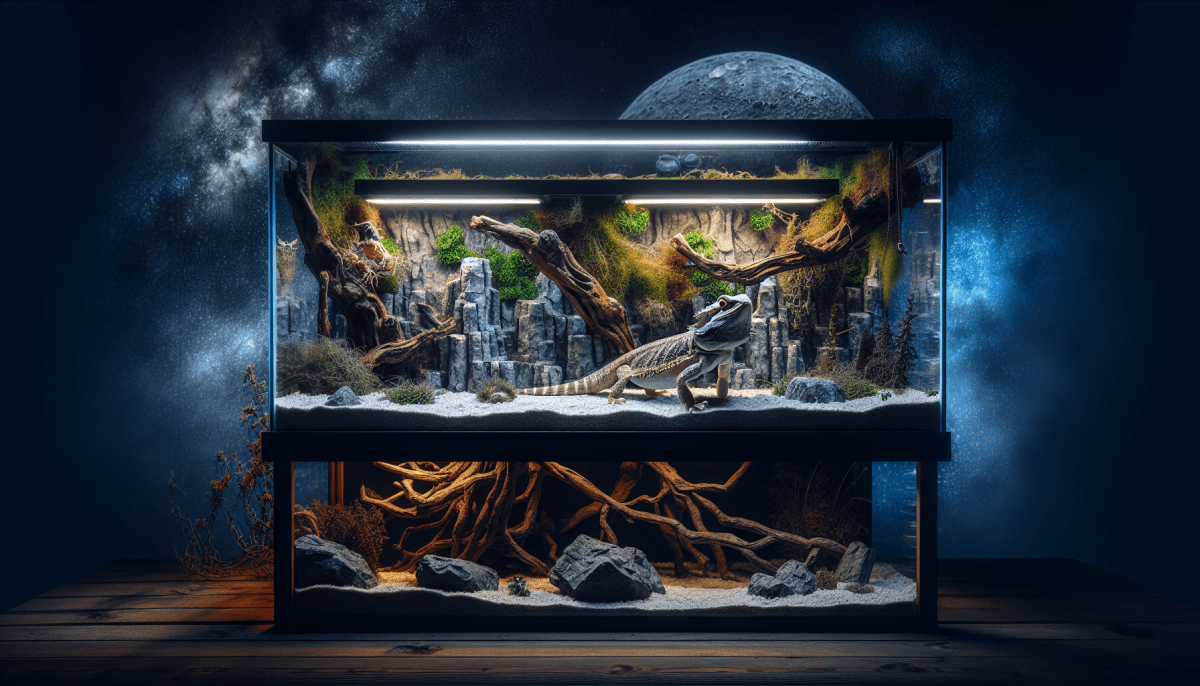
Speaking of UVB light, it’s super important for bearded dragons. UVB helps them absorb calcium, which prevents metabolic bone disease. Look for high-quality UVB bulbs that cover a broad spectrum. A tube-style UVB light placed along the length of the tank works really well for providing even coverage.
Don’t forget about nighttime temperatures. Even though your beardie loves basking during the day, they need a cooler spot to sleep at night. Keep temperatures around 70-75°F (21-24°C) to mimic their natural environment. A simple heat mat or ceramic heat emitter can help maintain warmth without disturbing their sleep.
Lastly, timers can be a lifesaver. Automated timers ensure your lights and heaters turn on and off at the right times. This mimics day and night cycles and helps keep your beardie healthy. It takes the guesswork out, giving you peace of mind that your pet is getting the light and heat they need around the clock!
Decor and Substrate Options to Consider
When it comes to decorating your bearded dragon's terrarium, there are plenty of fun options. You want to create a space that feels natural and cozy for your pet. The right decor can help make your dragon feel at home and encourage them to explore their environment.
Start with the substrate. What you put on the bottom of the terrarium is really important. You can go with non-toxic options like:
Now let’s think about decorations. Here are some great choices:
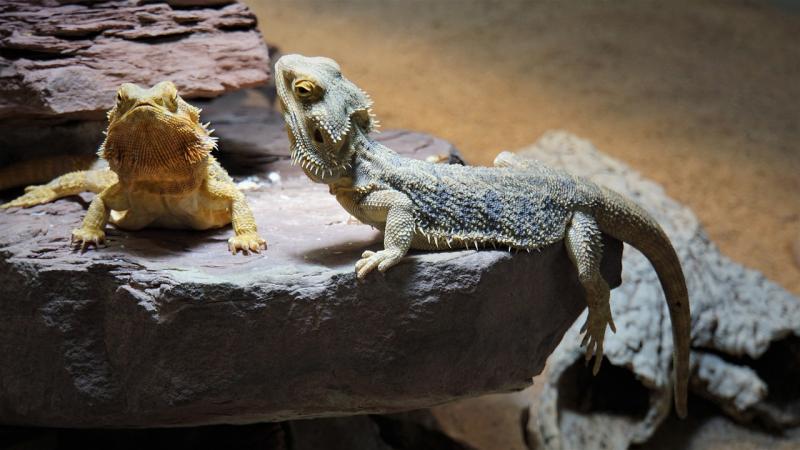
Don’t forget about basking spots. Your bearded dragon needs a warm area to soak up some rays. A flat rock or a sturdy platform can serve as a great basking spot while also enhancing the overall look of the terrarium. Just ensure it gets plenty of light and warmth!
Maintaining a Healthy Environment for Your Dragon
Keeping your bearded dragon healthy means setting up a cozy, safe space for them. Their environment can be a game changer for their overall well-being. A good terrarium replicates their natural habitat, so let’s dive into what your dragon needs!
First things first: temperature. Bearded dragons love to bask in warm spots, so a temperature gradient is key. Set one end of the terrarium between 95-110°F for basking, while the cooler side should be about 75-85°F. This way, your dragon can move around comfortably, soaking up the heat and cooling down as needed.
Next up is lighting. UVB lights are a must-have since they help your dragon synthesize vitamin D3, which is crucial for calcium absorption. Aim for 10-12 hours of light each day. Remember to replace those bulbs every six months or so; they lose their effectiveness over time, even when they still look good!
Don't forget about humidity! Bearded dragons thrive in environments with lower humidity, around 30-40%. Too much moisture can lead to health issues, so make sure to choose appropriate substrate materials like reptile carpet or wood chips. Keep an eye on the humidity levels with a hygrometer, and adjust as needed.
Finally, decorations make the terrarium feel like home. Include some hiding spots, branches for climbing, and plants (fake or real) to create a stimulating environment. This not only keeps your dragon entertained but also allows them to show off their natural behaviors. Just make sure everything is safe and non-toxic!