Feeding your bearded dragon can be straightforward and fun! These little guys have specific dietary needs, but with a little know-how, you can keep them happy and healthy.
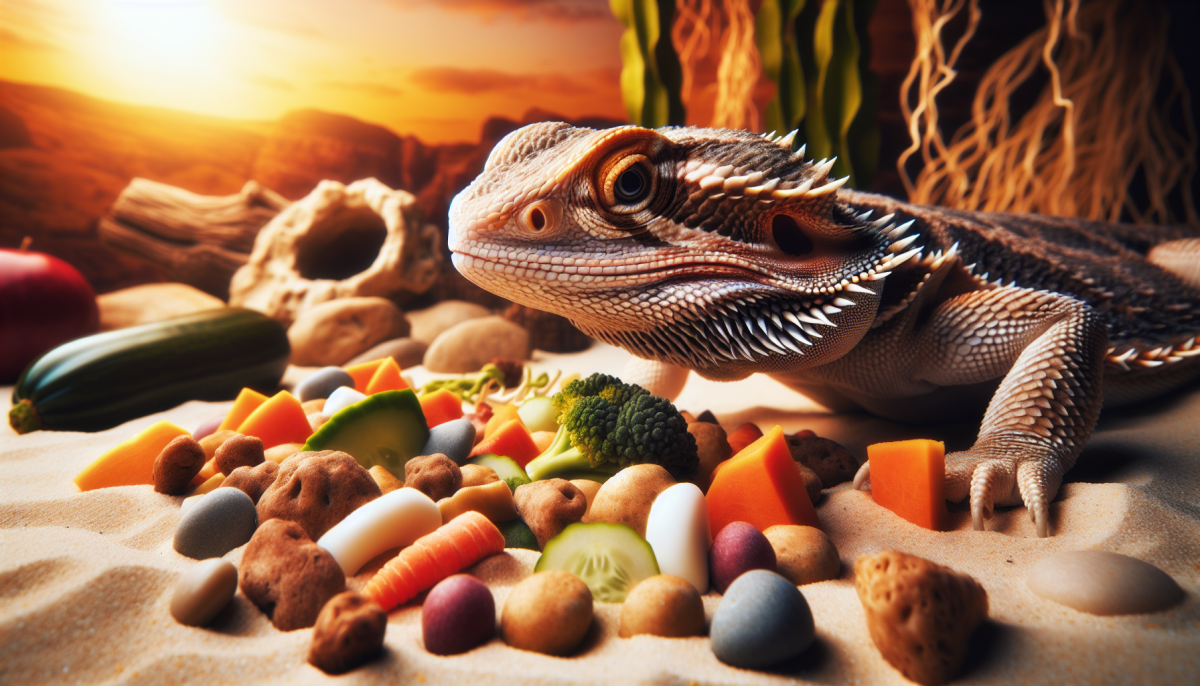
First off, be aware that bearded dragons eat a mix of insects and veggies. A good rule of thumb is to feed them a variety of foods. Think crickets, mealworms, and roaches for protein, and leafy greens like collard greens, mustard greens, and dandelion greens for their greens. Don't forget to toss in some colorful veggies like bell peppers and squash to keep things exciting!
Next, consider their age. Baby bearded dragons eat more protein than adults, about 80% of their diet. You can gradually switch them to a more veggie-rich diet as they grow. Just remember, don't overdo it with the bugs. Too much protein can lead to health problems.
Another tip? Always dust your insects with calcium powder a few times a week. This helps ensure your dragon gets enough calcium, which is super important for their bone health. It's a simple step but makes a big difference!
Lastly, always provide fresh water. Change it daily to keep it clean, and check that your dragon is drinking enough. If you notice your dragon isn’t drinking, try adding water-rich veggies like cucumbers to their meals. It's a tasty way to hydrate.
Understanding Bearded Dragon Diet Basics
Feeding your bearded dragon doesn't have to be complicated. These little guys have unique dietary needs that can change as they grow. Start by knowing the basics: Bearded dragons are omnivores, which means they eat both plants and animals. This means you want to mix things up to keep them happy and healthy.
As babies, bearded dragons eat mostly protein, like crickets and mealworms. You’ll want to feed them these insects several times a day. They need all that energy to grow! As they get older, their diet shifts. Adult bearded dragons should have a balanced diet that includes greens, veggies, and protein. Think leafy greens, bell peppers, and even a few fruits for a treat!
It's also super important to dust their food with calcium and multivitamin supplements. This helps prevent health problems down the line. Be careful not to overdo the fruit though; it's like candy for them—great in moderation! Keep an eye on how much they eat, and adjust their portions based on their age and activity level.
Don’t forget to provide fresh water daily. They might not drink a lot, but having fresh water available is essential. Some dragons also like to soak in shallow water occasionally. This helps keep their skin nice and hydrated. Stick to a routine, and you’ll find that keeping your bearded dragon healthy is a lot easier than it seems!
Fresh Foods Your Dragon Will Love
When it comes to feeding your bearded dragon, fresh foods can really make a difference. Not only do they pack a punch of nutrients, but they can also excite your dragon's taste buds. Here are some fresh goodies your scaly buddy is sure to love:
Don’t forget to offer a variety! Mixing things up keeps mealtime interesting and ensures your dragon gets a balanced diet. Always wash the veggies and fruits thoroughly to remove any nasties before serving.
Introducing new foods slowly helps your dragon get used to the varieties. Keep an eye on what they like and don't like. You'll soon discover their favorites, and mealtime will be something to look forward to for both of you!
Choosing the Right Supplements for Health
Choosing the right supplements for your bearded dragon’s health can feel a bit overwhelming. With so many options out there, it’s easy to get confused. But don’t worry! I’m here to help break it down for you.
Your bearded dragon needs a diet rich in vitamins and minerals. Calcium is a biggie—it's vital for healthy bones and preventing metabolic bone disease. Look for calcium supplements that are dusted on their food a few times a week. This can really boost their calcium intake without changing their diet too much.
Next up is vitamin D3. This supplement helps your dragon absorb calcium effectively. You can find calcium supplements with D3 included, but be careful not to overdo it. Too much can lead to health issues. A balanced approach is key!
Don't forget about a multivitamin specifically designed for reptiles. These often contain a mix of other essential vitamins and minerals that your dragon may not get enough of from their diet alone. A pinch a couple of times a month can keep things balanced.
Always consult your vet before starting any new supplement regimen. Every bearded dragon is different, and your vet can help you figure out what’s best based on your pet’s needs. With the right supplements, you can help your beardie thrive!