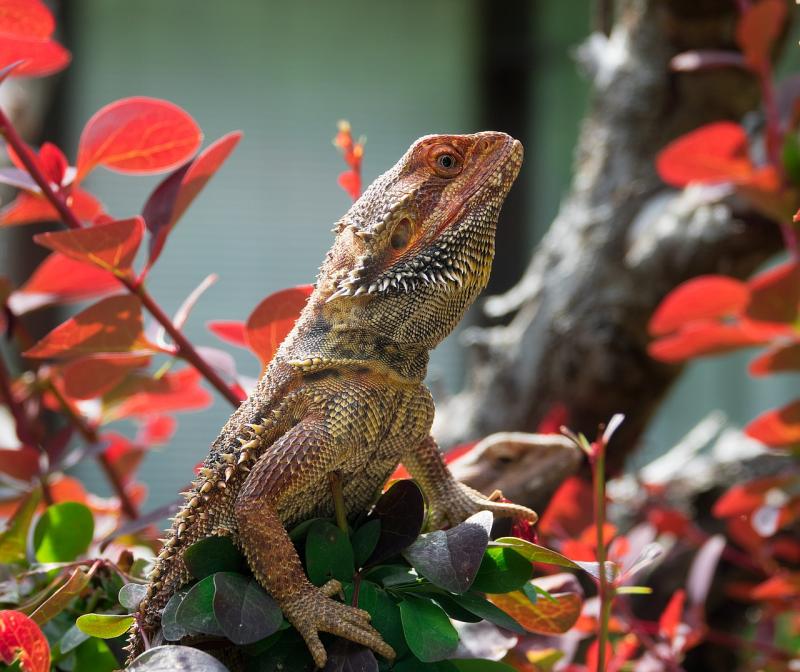
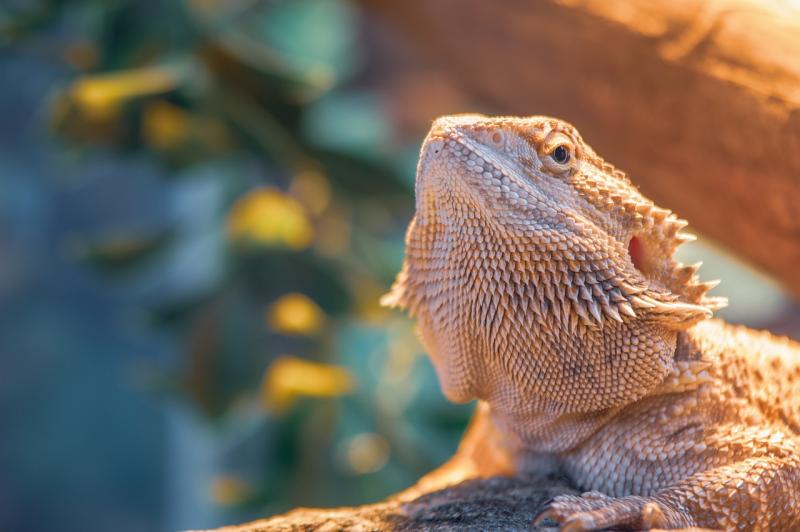
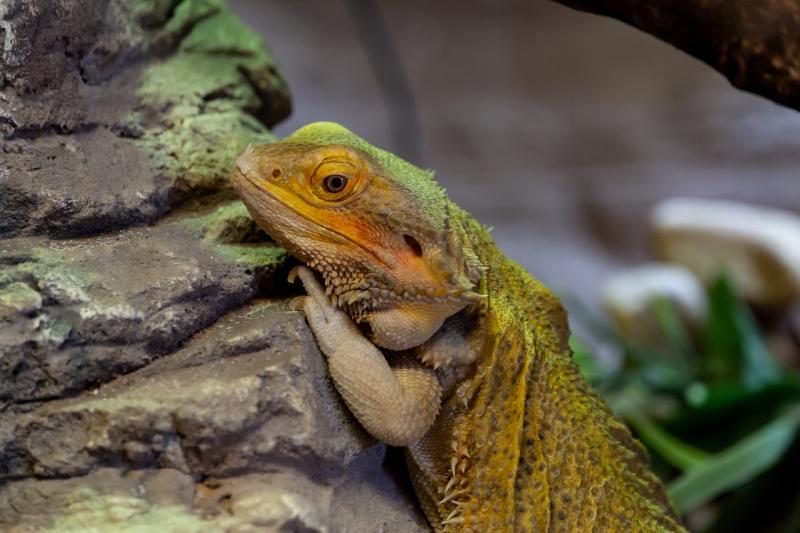
Understanding your bearded dragon's body language is key to building a strong bond with your little buddy. These guys can’t talk, but they sure have a lot to say through their movements and postures. Getting to know these signals will help you figure out how your dragon is feeling and what they need.
One of the first things to look for is head bobbing. If your bearded dragon bobs their head up and down, they might be feeling assertive or trying to show dominance. This behavior often happens during mating season, too. On the other hand, if they bob their head side to side, they could be feeling threatened or warning you to back off.
Then there’s the famous arm waving. If your dragon raises one arm and moves it in a circular motion, they’re usually trying to signal submission. It's a way of saying, “I mean no harm!” If you catch this behavior, just remember to give them some space and let them relax.
Another important cue is coloration. When your dragon is bright and vibrant, they’re often happy and comfortable. But if they start to darken or their colors become dull, they might be stressed or unwell. Pay attention to shifts in their color; it’s an important sign of their well-being.
Lastly, don’t forget about the tail! If it’s wagging or twitching, that could be a sign of excitement or even nervousness. On the other hand, if they flatten their body and tuck their tail, they’re likely trying to hide and feel scared. Keep an eye on these signals, and you’ll get to know your bearded dragon so much better.
Signs of a Happy Bearded Dragon
When you have a bearded dragon, you want to know if they’re happy and thriving. A happy beardie shows some clear signs that make it easy to spot their good mood. Let’s dive into what to look for!
First, check out their body language. A comfortable bearded dragon often sits with their body relaxed and limbs extended. If they’re basking and sprawled out, that’s a good sign! When they start waving their arm in a casual way, it's a sign they feel safe and secure. This little wave is like a friendly hello, indicating they’re comfortable in their space.
Next, look at their appetite. A happy bearded dragon loves their food! If your beardie is eagerly munching on their veggies or insects, that’s definitely a thumbs-up. Healthy appetite means they’re feeling good. Plus, watch for active feeding behavior; if they chase after food, they're in a playful mood!
Another sign is their energy levels. When your bearded dragon is darting around or exploring their habitat, they’re likely happy. Engaged behavior, like climbing or digging, shows they’re curious and having fun. If they spend their time resting in their basking spot, that’s normal too. Just remember, a balanced mix of active and relaxed moments is key!
Finally, consider their social interaction. Many bearded dragons enjoy gentle handling. If your beardie willingly hangs out with you and seems to relax in your presence, they trust you. It’s all about the bond you build together. A happy bearded dragon will often bask with you and enjoy some quality time! Keep these signs in mind, and you’ll know just how content your little buddy is.
Common Stress Behaviors to Watch For
Bearded dragons can be pretty chill, but stress can sneak up on them sometimes. It's important to catch the signs early, so your little buddy stays happy and healthy. Here are some common stress behaviors to look out for:
Understanding these behaviors helps you better support your bearded dragon. Keep an eye on them, and you'll be able to keep their environment just right. Happy dragons make for happy lizards!
How to Bond with Your Bearded Dragon
Bonding with your bearded dragon can be one of the most rewarding experiences as a pet owner. These little guys have their own personalities, and spending time with them helps you understand their quirks and needs. Start by letting your bearded dragon get used to your presence. Hang out near their enclosure, talk to them softly, and let them get comfortable with you.
Once they've settled in, you can begin gentle handling. Keep it short at first—just a few minutes. Scoop them up carefully using both hands, supporting their body. They’ll feel more secure that way. If they seem nervous or start squirming, put them back in their habitat. It’s all about building trust!
Try to create a routine around their feeding time. You can offer food by hand, like some yummy greens or live insects. This not only helps with bonding but also associates you with good things. Be patient, though! Some bearded dragons take a little longer to warm up, but that’s totally normal.
Let them explore outside their tank, but do it safely. Find a quiet room with minimal distractions. Sit on the floor and let them roam a bit. It’s a fun way for them to get exercise, and they’ll learn to see you as a friend rather than just a giant human!
Finally, don’t forget to give them some chill time. Bearded dragons appreciate routine and a calm environment. Just hanging out and letting them relax near you can strengthen your bond. With a little time and love, you'll have a special connection with your scaly buddy!